Water Extraction & Removal
Water Extraction & Removal in Murrieta, CA & the surrounding areas
Water extraction and removal in Murrieta, CA is a critical first step when a property experiences flooding, leaks, or any form of water intrusion. At Pro Flo Restoration, this service focuses on the immediate removal of standing water to prevent it from spreading further into structural materials. Quick extraction reduces the risk of long-term damage and prepares the space for drying and restoration.
When water is left sitting, it begins to seep into floors, walls, and other porous materials. This can lead to structural weakening and secondary issues that become more difficult to address over time. Professional extraction ensures that water is removed efficiently using specialized equipment designed for both residential and commercial environments.
What Water Extraction & Removal Means
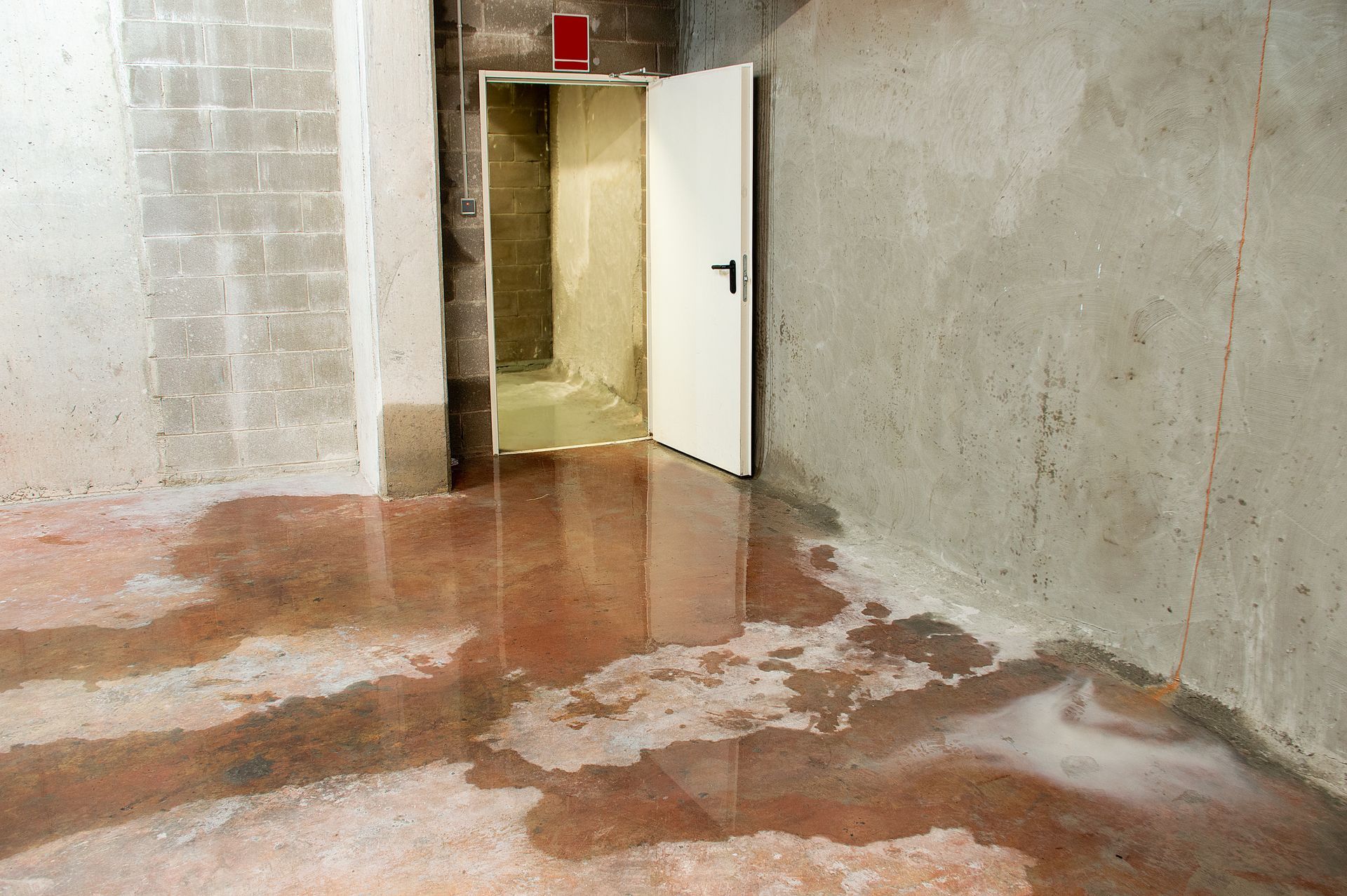
Water extraction and removal refers to the process of physically eliminating standing water and excess moisture from a property. This service is typically required after events such as flooding, pipe bursts, appliance leaks, or storm damage.
Unlike general cleanup, extraction uses high-capacity equipment to remove large volumes of water quickly. The goal is to minimize the time materials remain saturated, which directly impacts the extent of damage. Proper removal is essential before any drying or restoration work can begin.
This process also includes addressing water that may not be visible on the surface. Moisture can collect in carpets, padding, subfloors, and wall cavities, requiring thorough extraction techniques to ensure complete removal.
Situations That Require Water Extraction
Water extraction services in Murrieta properties are needed in a variety of scenarios. Each situation presents unique challenges depending on the source and volume of water.
Flooding from Weather Events
Heavy rain or poor drainage can cause water to enter a property quickly. This often results in large volumes of standing water that must be removed immediately.
Burst Pipes and Plumbing Failures
Sudden pipe breaks can release significant amounts of water in a short period. Extraction is necessary to prevent the water from spreading into surrounding areas.
Appliance Leaks
Malfunctioning appliances such as washing machines or water heaters can create localized flooding. Even smaller amounts of water can cause damage if not removed promptly.
Sewage Backups
In cases involving contaminated water, extraction must be handled carefully to ensure proper removal and containment of hazardous materials.
The Water Extraction Process
Water extraction and removal follows a structured approach to ensure efficiency and thoroughness. Each phase is designed to address both visible and hidden water within the property.
Initial Assessment
The process begins with an evaluation of the affected area to determine the extent of water intrusion. This includes identifying the source and measuring how far the water has spread.
High-Powered Water Removal
Industrial pumps and vacuums are used to extract standing water. These machines are capable of removing large volumes quickly, reducing the overall impact on the structure.
Targeted Extraction for Materials
Carpets, padding, and other absorbent materials require specialized extraction methods. This step ensures that moisture trapped within these materials is removed effectively.
Moisture Detection and Monitoring
After the initial removal, tools are used to detect any remaining moisture. Continuous monitoring ensures that all affected areas are properly addressed before drying begins.
Equipment Used for Extraction
Professional water extraction relies on advanced equipment designed to handle different levels of water damage. Using the correct tools is essential for achieving thorough results.
Submersible Pumps
These pumps are used in situations with deep standing water. They are capable of removing large quantities of water efficiently.
Truck-Mounted Extraction Units
High-capacity extraction systems provide powerful suction to remove water from both open areas and saturated materials.
Portable Extractors
In smaller or hard-to-reach spaces, portable units allow for precise water removal without disrupting surrounding areas.
Moisture Detection Devices
Equipment such as moisture meters and thermal imaging cameras help identify hidden water that may not be immediately visible.
Preventing Further Water Damage
The primary purpose of water extraction and removal is to stop water from causing additional damage. Acting quickly limits the extent of repairs needed and helps maintain the integrity of the property.
Limiting Material Saturation
Removing water promptly prevents it from penetrating deeper into structural components, reducing the likelihood of long-term damage.
Reducing Structural Impact
Excess moisture can weaken wood, drywall, and flooring. Extraction helps preserve these materials by minimizing exposure time.
Preparing for Drying
Proper extraction creates the conditions needed for effective drying and dehumidification, which are essential for complete recovery.
Residential and Commercial Water Extraction
Water extraction and removal in Murrieta, CA is necessary for both residential and commercial properties. Each type of property requires a tailored approach based on its layout and the extent of water intrusion.
Residential Extraction
In homes, the focus is on removing water from living spaces, protecting personal property, and preventing damage to interior materials. Quick extraction helps maintain the condition of flooring, walls, and household items.
Commercial Extraction
Commercial properties often involve larger areas and more complex systems. Efficient extraction is critical to reduce downtime and limit disruption to operations.
Transition to Drying and Restoration
Water extraction is only the first phase in addressing water damage. Once standing water has been removed, the next step involves drying and dehumidification to eliminate residual moisture.
Structural Drying Preparation
After extraction, air movers and dehumidifiers are introduced to dry remaining moisture within materials and the air.
Integration with Restoration Services
Extraction sets the foundation for further restoration work, including repairs and reconstruction if needed.
Final Verification
Before moving forward, moisture levels are checked to ensure that extraction has been successful and the property is ready for the next stage.