Structural Drying & Dehumidification
Structural Drying & Dehumidification in Murrieta, CA & the surrounding areas
Structural drying and dehumidification in Murrieta, CA is a critical phase in the water damage recovery process that focuses on removing hidden moisture from building materials and controlling humidity levels inside a property. At Pro Flo Restoration, this service is performed after water extraction to ensure that walls, floors, ceilings, and structural components are fully dried before restoration work begins.
Even after visible water is removed, moisture often remains trapped within porous materials. If this moisture is not properly addressed, it can lead to long-term damage, including weakening of structural components and microbial growth. Structural drying ensures that the property reaches safe moisture levels that support stable and lasting repairs.
Understanding Structural Drying
Structural drying refers to the controlled process of removing moisture from building materials after water intrusion. Unlike surface drying, which only addresses visible wet areas, structural drying targets moisture that has penetrated deep into walls, flooring systems, insulation, and framing.
This process is necessary because water spreads quickly through porous materials. Drywall, wood, and insulation can absorb significant amounts of moisture without showing visible signs of saturation. Without proper drying, these materials may continue to deteriorate even after the water appears to be gone.
Structural drying is designed to restore materials to their normal moisture content levels, ensuring that they remain stable and safe for long-term use.
Role of Dehumidification in Water Damage Recovery
Dehumidification is the process of removing excess moisture from the air to support the drying of wet materials. In water-damaged environments, humidity levels are typically elevated, which slows down evaporation and prolongs the drying process.
By reducing humidity, dehumidification allows moisture trapped in materials to evaporate more efficiently. This creates a controlled environment where drying can occur consistently and evenly.
Without dehumidification, moisture can remain in the air and re-enter materials, delaying recovery and increasing the risk of secondary damage.
Common Causes Requiring Structural Drying
Structural drying in Murrieta properties is required in a wide range of water damage situations. Each scenario introduces moisture into different parts of the building structure.
Plumbing Leaks and Pipe Breaks
Water from plumbing failures can spread behind walls and under flooring, making structural drying necessary even after visible water is removed.
Appliance Overflows
Washing machines, dishwashers, and water heaters can release water that seeps into subflooring and cabinetry, requiring deep drying methods.
Storm and Roof Leaks
Rainwater intrusion through roofs or windows often affects insulation and ceiling materials, which retain moisture and require controlled drying.
Flooding Events
Floodwater can saturate multiple layers of a structure, making structural drying essential to stabilize the building after extraction.
The Structural Drying Process
Structural drying and dehumidification follows a carefully controlled process to ensure all affected materials are properly dried. Each stage is designed to manage airflow, temperature, and humidity levels.
Moisture Assessment and Mapping
The process begins with a detailed inspection using moisture meters and thermal imaging tools. This helps identify the extent of hidden moisture within the structure and guides the placement of drying equipment.
Controlled Air Movement
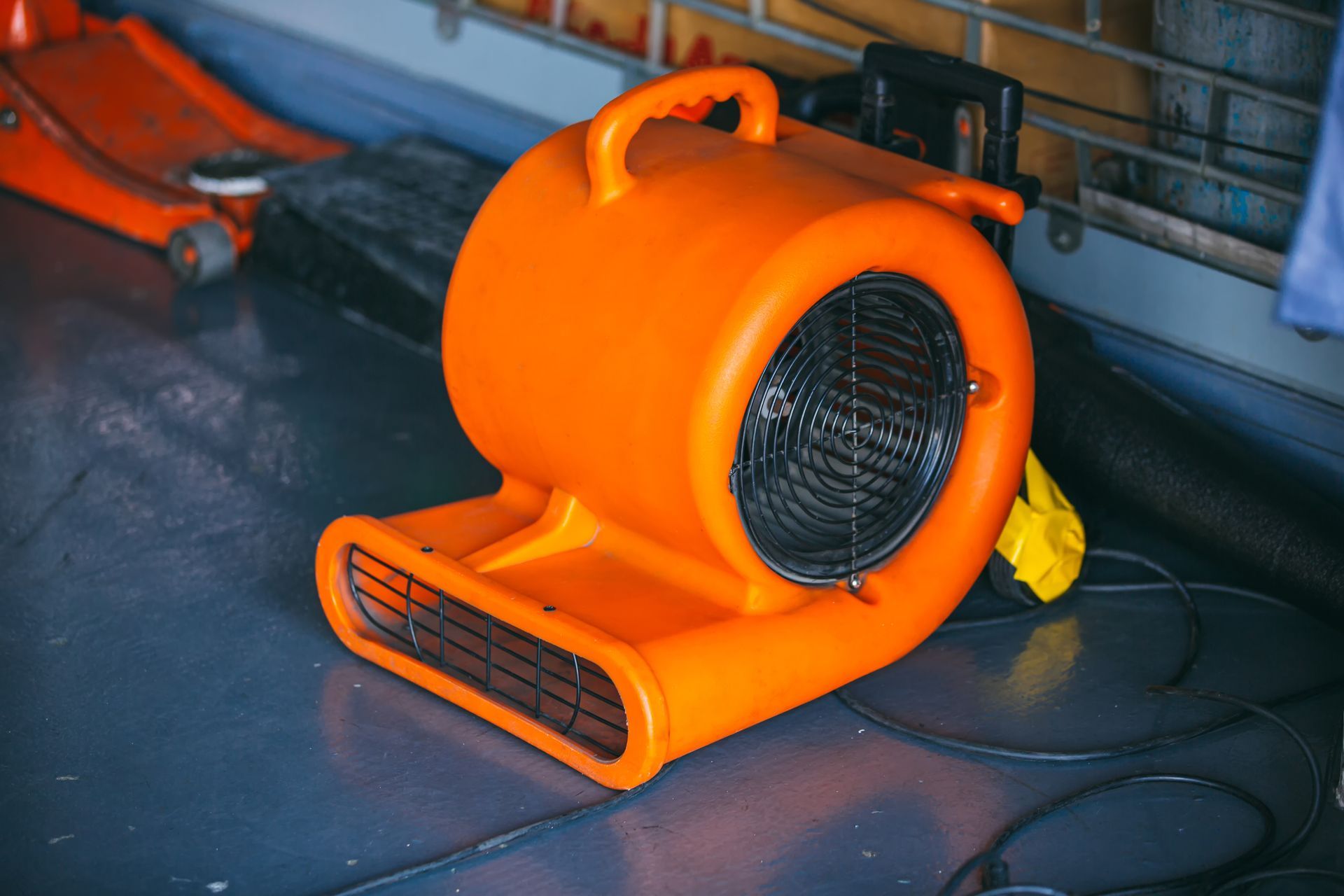
High-velocity air movers are strategically placed to promote evaporation. These machines direct airflow across wet surfaces to speed up the drying process.
Dehumidification Setup
Commercial-grade dehumidifiers are installed to remove moisture from the air. This step prevents humidity from rising and supports continuous drying of materials.
Ongoing Monitoring and Adjustments
Moisture levels are regularly monitored throughout the drying process. Equipment placement and operation may be adjusted based on readings to ensure consistent progress.
Importance of Controlled Drying Conditions
Effective structural drying depends on maintaining a controlled environment. Temperature, airflow, and humidity must be carefully balanced to achieve optimal results.
Temperature Control
Warmer temperatures help accelerate evaporation, allowing moisture to move from materials into the air more quickly.
Airflow Management
Proper airflow ensures that moisture does not remain trapped in stagnant areas. This helps dry materials evenly across the entire affected space.
Humidity Reduction
Lower humidity levels allow moisture to continue evaporating without being reabsorbed into materials, improving overall drying efficiency.
Equipment Used in Structural Drying
Structural drying and dehumidification relies on specialized equipment designed for precision and efficiency. Each tool plays a specific role in the drying process.
Air Movers
These devices circulate large volumes of air across wet surfaces, increasing evaporation rates and helping dry materials more quickly.
Refrigerant Dehumidifiers
These machines cool air to remove moisture, making them effective for most residential and commercial drying environments.
Desiccant Dehumidifiers
Used in more severe cases, these units absorb moisture from the air and are often used in large or heavily saturated structures.
Moisture Monitoring Tools
Moisture meters and infrared cameras are used throughout the process to track drying progress and detect hidden moisture.
Structural Drying in Residential and Commercial Properties
Structural drying in Murrieta, CA is essential for both residential and commercial buildings. Each type of property presents unique drying challenges based on size, layout, and materials.
Residential Drying
In homes, structural drying focuses on living spaces such as bedrooms, kitchens, and flooring systems. The goal is to stabilize the structure while minimizing disruption to daily life.
Commercial Drying
Commercial properties often require large-scale drying systems due to their size and complexity. These environments may include offices, retail spaces, or industrial facilities that require efficient moisture control to reduce downtime.
Transition to Restoration Work
Structural drying and dehumidification marks the final stage before physical repairs and reconstruction can begin. Once moisture levels are confirmed to be within safe ranges, restoration work can proceed.
Preparation for Repairs
Dry materials ensure that new construction elements such as drywall, flooring, and paint adhere properly and remain stable over time.
Final Moisture Verification
Before moving forward, final readings confirm that all affected areas meet acceptable moisture standards.
Stabilized Environment
A fully dried structure provides a safe and controlled environment for rebuilding and finishing work.