
Leak Detection & Repair
Leak Detection & Repair in Murrieta, CA & the surrounding areas
Leak detection and repair in Murrieta, CA focuses on identifying hidden water leaks within a property and addressing the source before it leads to major structural damage. At Pro Flo Restoration, this service is centered on locating moisture intrusion points, confirming the extent of the leak, and completing targeted repairs that stop ongoing water loss and prevent further deterioration of building materials.
Water leaks often begin in areas that are not immediately visible, such as behind walls, under flooring, or within ceilings. Over time, even small leaks can cause significant damage, including weakened structures, mold development, and increased water bills. Early detection is essential to limit these risks and maintain the integrity of the property.
Understanding Leak Detection
Leak detection is the process of pinpointing the exact source of unwanted water intrusion within a structure. Unlike surface-level water cleanup, leak detection focuses on identifying the root cause of moisture problems.
Water can infiltrate through roofing, appliances, foundation issues, or structural cracks. Because it often travels along beams, walls, and floors before becoming visible, the actual source of the problem is frequently different from where the damage appears.
Professional leak detection uses advanced tools and techniques to trace moisture back to its origin, enabling precise remediation and preventing ongoing damage or mold growth.
Common Causes of Water Leaks
Leak detection and repair in Murrieta properties is often required due to a variety of underlying issues that develop over time or occur unexpectedly.
Hidden Water Intrusion
Structural components like walls, ceilings, and floors can develop cracks or weaknesses that allow water to seep in, leading to slow or sudden leaks. If left untreated, this hidden moisture can cause significant damage and create conditions for mold growth.
Slab and Foundation Leaks
Water lines running beneath concrete slabs may develop leaks that are difficult to detect without specialized equipment. These leaks often cause hidden moisture buildup.
Roof and Ceiling Intrusion
Damaged roofing materials or flashing can allow rainwater to enter the structure, leading to ceiling stains and interior moisture damage.
Appliance and Fixture Leaks
Water heaters, dishwashers, sinks, and toilets can develop leaks at connection points or seals, slowly releasing water into surrounding areas.
The Leak Detection Process
Leak detection and repair involves a structured process designed to locate the source of water intrusion accurately and efficiently before any repair work begins.
Initial Inspection and Assessment
The process begins with a visual inspection of affected areas to identify signs of moisture, staining, or material damage. This helps narrow down potential leak sources.
Moisture Mapping and Testing
Moisture meters are used to measure water levels in walls, floors, and ceilings. This helps trace the path of water movement within the structure.
Advanced Detection Technology
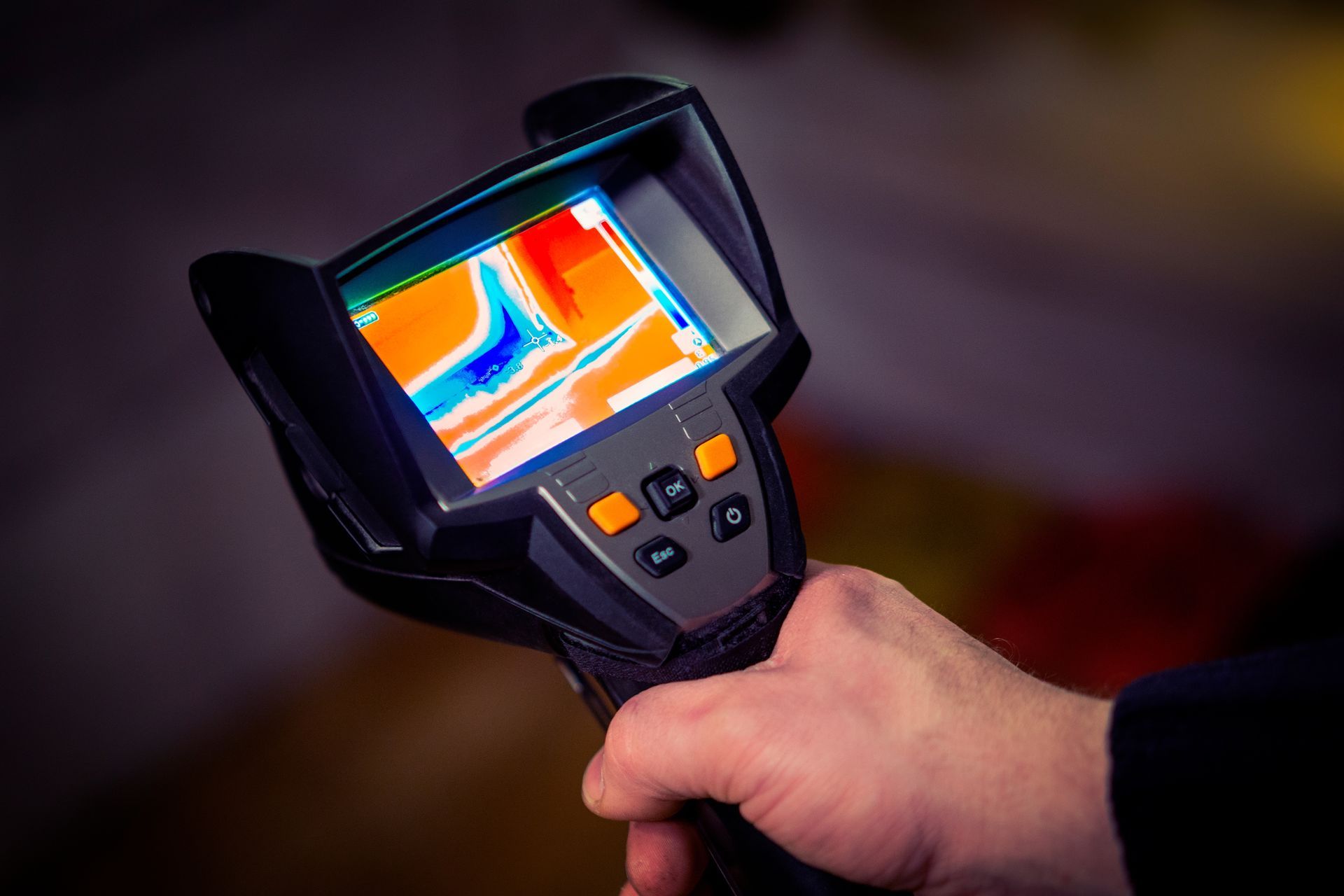
Thermal imaging cameras and acoustic listening devices may be used to detect temperature differences or sound patterns associated with hidden leaks behind surfaces.
Source Identification
Once enough data is collected, the exact source of the leak is identified. This ensures that repair efforts are focused on the correct location rather than surface symptoms.
Leak Repair Methods
After detection is complete, repair work is carried out based on the type and severity of the leak. The goal is to eliminate the source of water intrusion and restore proper function to the affected system.
Seal and Fixture Corrections
Leaks caused by fixtures such as sinks, toilets, or water heaters are corrected by replacing seals, tightening fittings, or repairing components.
Roof and Exterior Repairs
Roof leaks are addressed by repairing damaged shingles, flashing, or waterproof barriers to prevent further water entry.
Structural Adjustments
In some cases, materials affected by long-term leaks may require removal and replacement to restore structural integrity.
Hidden Damage from Undetected Leaks
One of the most serious risks associated with leaks is the damage that occurs when they go unnoticed for extended periods. Leak detection helps uncover these issues before they become severe.
Moisture Accumulation
Hidden leaks can saturate insulation, drywall, and wood framing over time, leading to gradual deterioration of structural materials.
Mold Development
Persistent moisture creates conditions that support mold growth, especially in enclosed or poorly ventilated areas.
Material Degradation
Long-term exposure to water can cause wood to warp, metal to corrode, and drywall to weaken, requiring extensive repairs if not addressed early.
Equipment Used in Leak Detection
Accurate leak detection relies on advanced tools that allow technicians to locate water sources without unnecessary demolition or disruption.
Thermal Imaging Cameras
These devices detect temperature variations in building materials, helping identify hidden moisture and leak paths behind surfaces.
Acoustic Listening Devices
Sensitive audio equipment can detect the sound of water escaping from pipes, even when the leak is not visible.
Moisture Meters
These tools measure the level of moisture in materials, helping confirm affected areas and track the spread of water.
Pressure Testing Equipment
Plumbing systems may be tested under controlled pressure to identify drops that indicate the presence of a leak.
Residential and Commercial Leak Detection
Leak detection and repair in Murrieta, CA is essential for both residential and commercial properties, each presenting different challenges based on system complexity and usage.
Residential Leak Detection
In homes, leak detection often focuses on plumbing systems, appliances, and roofing structures. The goal is to protect living spaces and prevent long-term damage to interiors.
Commercial Leak Detection
Commercial properties may involve larger plumbing networks, irrigation systems, or complex building layouts that require advanced diagnostic methods to locate leaks efficiently.
Transition From Detection to Restoration
Once the leak has been identified and repaired, attention shifts toward addressing any water damage that may have occurred as a result.
Water Damage Mitigation
Affected areas are assessed for moisture and stabilized to prevent further deterioration.
Drying and Cleanup
If water intrusion has caused saturation, structural drying and dehumidification are performed to restore safe moisture levels.
Final Verification
After repairs and cleanup, the system is rechecked to confirm that the leak has been fully resolved and no further moisture intrusion is present.